
Why We Can’t Forget the Past When Building for the Future
By Daniel Berriman, MD of Cornwall Mining Consultants and member of the South West Mining Subsidence Forum
Mining is a well-recognised and important part of our region’s history, and indeed our nation’s, yet the most obvious hazards from this industry are often overlooking as we develop and build.
It is a reasonable assumption for any owner or developer to assume that their newly built property would be safe from Mining Subsidence, yet this cannot be guaranteed.
In fact, there has never been a time when all new developments were automatically made safe from mining subsidence. So, whether the house you live in is 200 years old or 2 years old, it is not safe to assume that this threat was properly dealt with when it was built.
We regularly deal with newly built properties that have not been assessed for mining subsidence risk at any point during planning or development.
At best, this means significant delays and additional costs for developers and new homeowners. At worst, the outcome is new homes are being built that are unmortgageable or are even at risk of collapse.
The common assumption is that mining subsidence is a rare event. The fact is, it happens much more often that you might think, as the below images from recent mine shaft collapses in the area show;


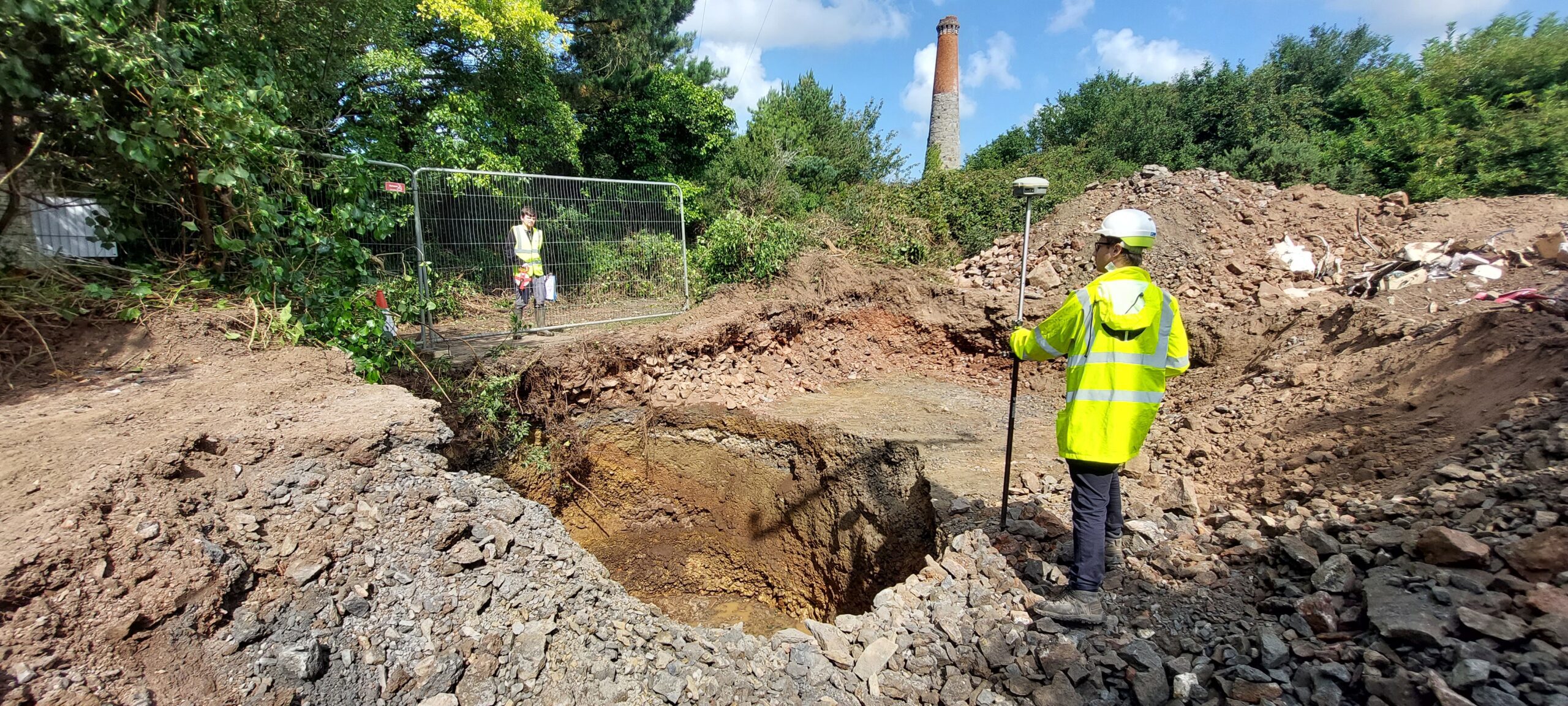
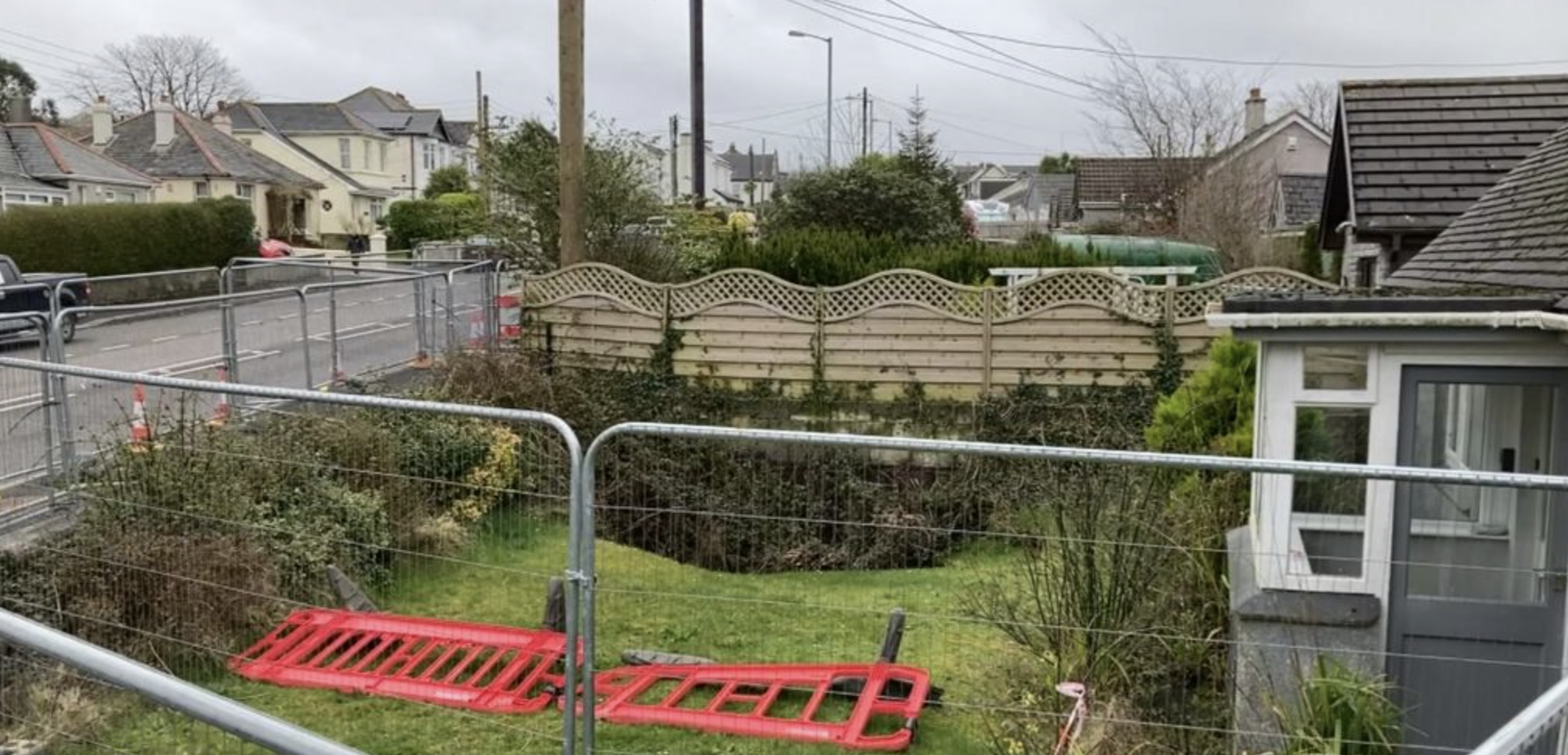
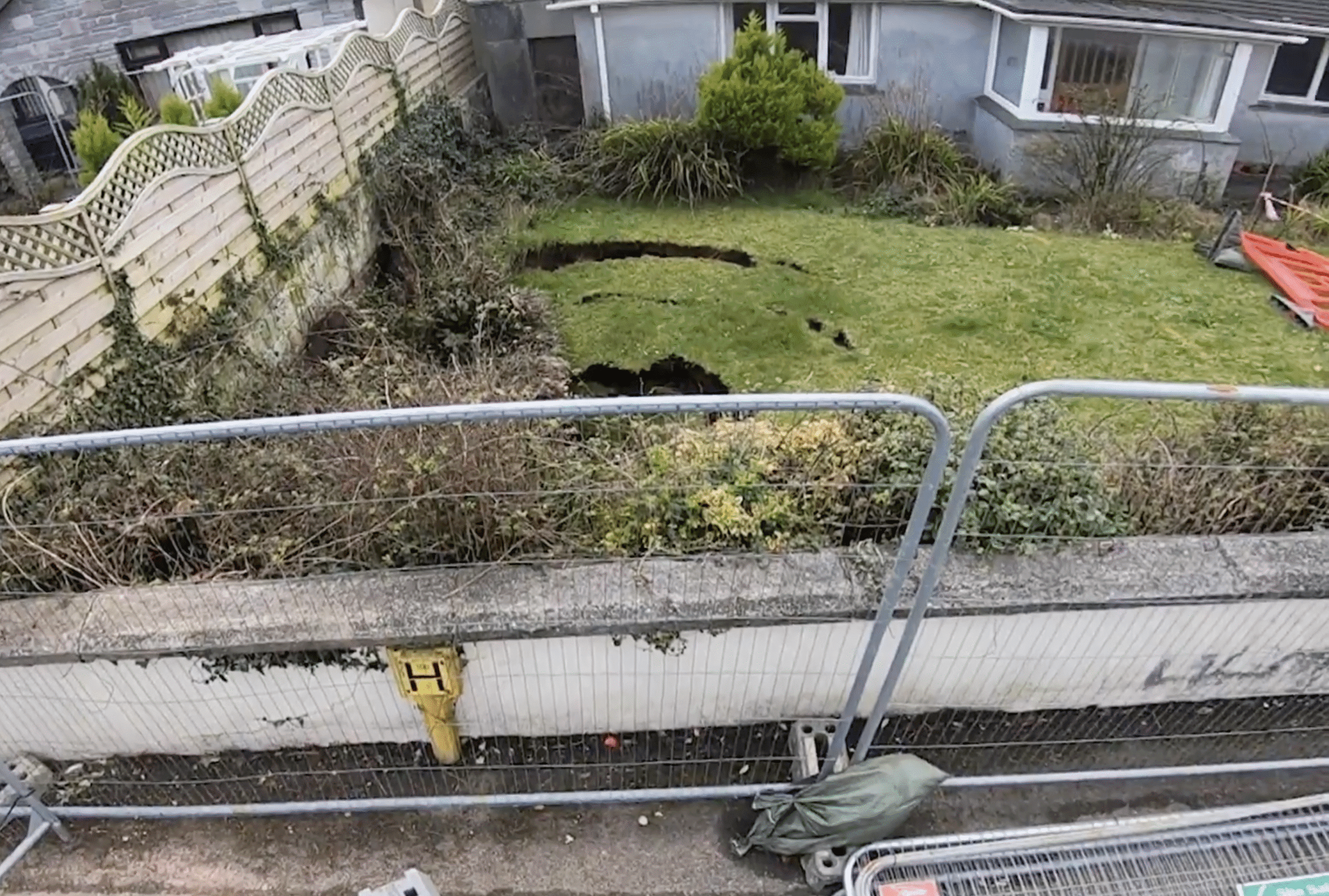
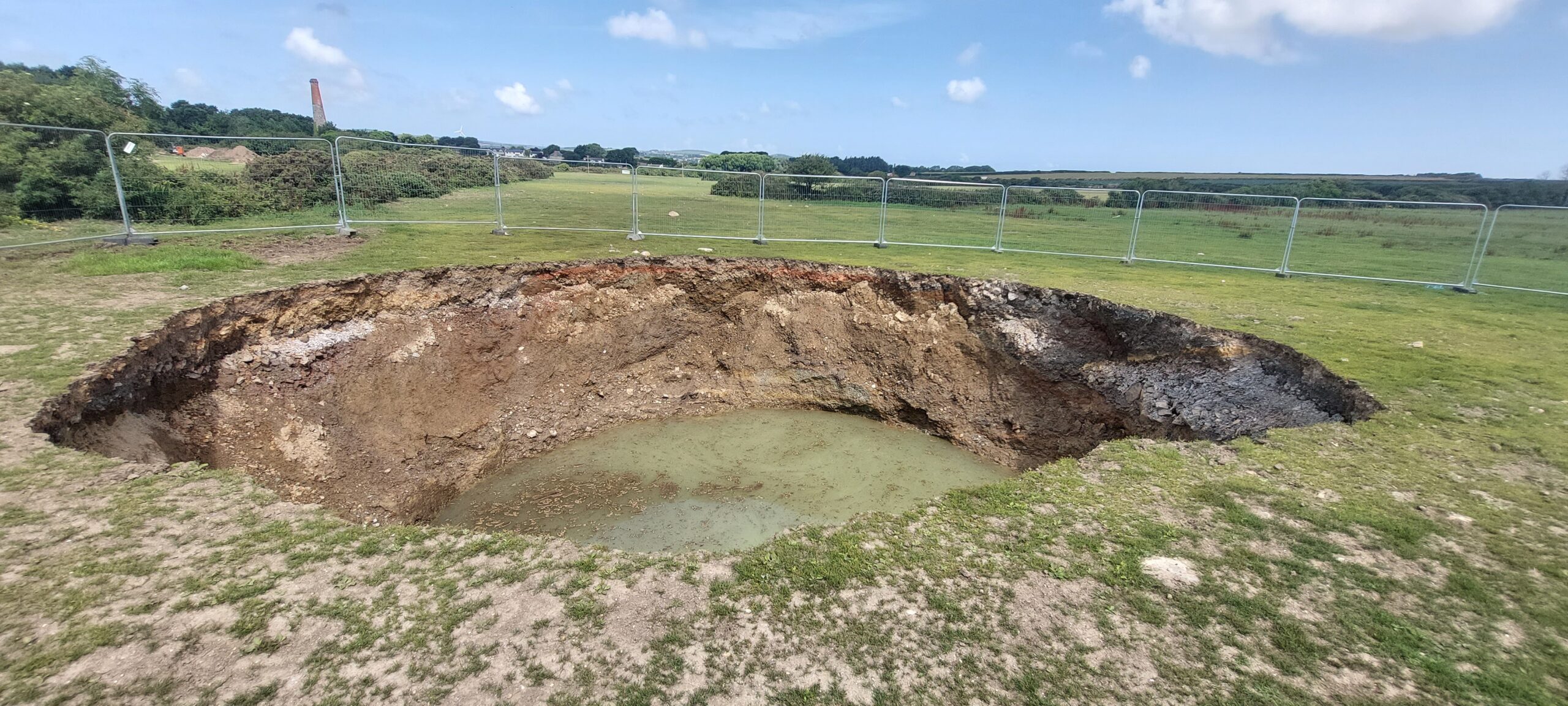
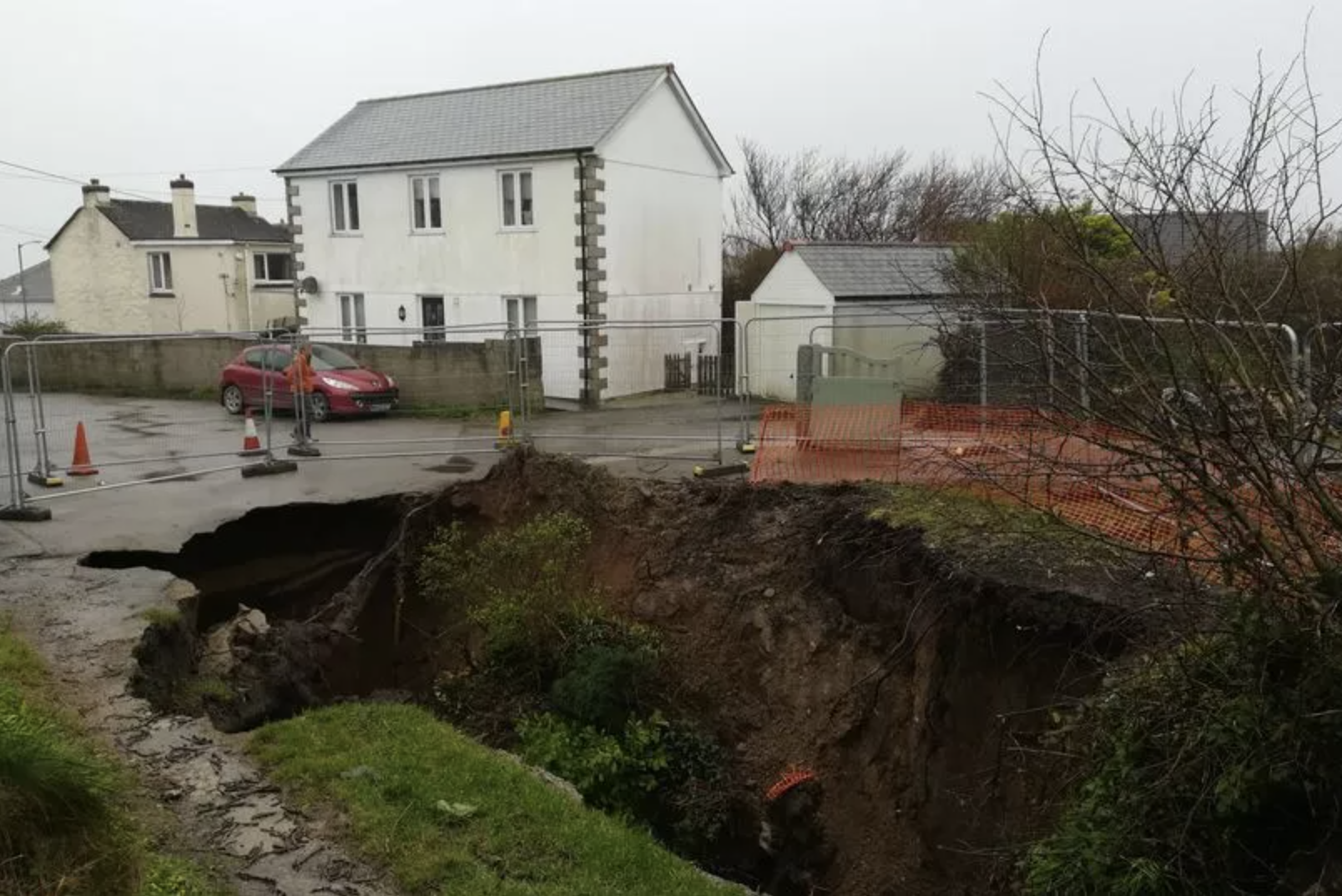
Each week, our team are called to new development sites to inspect foundation trenches for adverse ground conditions, only to find that this is the first time in the planning and development process that this potentially project-cancelling issue has even been considered.
We are also called out to inspect sink holes and subsidence events at private properties on a weekly basis with instances of mining subsidence frequently making the headlines;
Following our inspection, work is often delayed while retrospective research and investigation is conducted, with the worst cases needing unforeseen costly engineering works to secure exposed mine workings.
And it’s not just impacting the South West region. Historic mining and quarrying hazards are not being dealt with consistently or efficiently across the United Kingdom during new developments. There are quite literally hundreds of thousands of unsecured mine workings across the entire country.
Sinkholes from a wide range of causes are reported nationwide in local media every few days, the most recent example of which is the sinkhole in Surrey which led to the evacuation of 30 households.
Climate change is also playing its part. Increasingly wet winters followed by dry summers are leading to faster erosion of fill material in old workings, in turn, leading to more regular collapses.
So why is this continuing to be such an issue in 2025?
The answer lies in a combination of factors, which ultimately mean the various stages of the development safety net that are designed to catch potential problems, are not able to.
What is becoming increasingly apparent is that it’s not just the odd case that’s slipping through. The net is completely broken. Most new homes are not assessed until they are sold, by which time any issues found are near impossible to rectify simply.
Below is a list of causes that are all contribute to this problem:
- Lack of awareness of the ground stability/mining subsidence issue throughout the development chain nationally, including Local Authority Planning Departments.
- Lack of data available to Local Authority Planning Departments to trigger proactive conditions.
- Different approaches from both Planning and Building Control with a reliance on different data.
- Lack of accurate and effectively worded planning conditions.
- Lack of national legislation that appropriately deals with ground stability/mining subsidence hazards other than coal.
- Confusion between coal and non-coal subsidence hazards.
- Confusion between Land Contamination and Land Stability issues created by NPPF wording.
Ground Conditions and pollution – 189 a) ‘a site is suitable for its proposed use taking account of ground conditions and any risks arising from land instability and contamination. This includes risks arising from natural hazards or former activities such as mining, and any proposals for mitigation including land remediation…’ - Assumption that developer due diligence on ground conditions and traditional GI will always effectively assess and advise on this issue.
- Assumption that Building Control will adequately advise on this.
- Assumption that ground stability or mining issues will be discovered and resolved during construction.
With a housing shortage across the UK, Local Authorities are under increasing pressure to build more homes. The well-intentioned notion of removing hurdles for developers is only resulting in the problem getting worse, not better. It is, quite literally, a developing problem.
Almost all planning applications in the South West region, and many other parts of the country, must have conditions imposed relating to mining and ground instability.
How can we tackle this problem?
✔ Developers and their technical advisors (Architects, Engineers, Planning Agents & Project Mangers) need education about the problem and better guidance. They should be urged to obtain Mining Search reports at the earliest stage.
✔ Planning Officers need better data in a constraints layer, an effective adopted practice and specifically worded conditions.
✔ Building Control officers are often aware of local ground conditions but need support and more information about mining and land stability issues.
✔ Builders and groundworkers need guidance on safe procedures and what to look out for in their area.
How can this be addressed?
✘ Don’t assume Planning conditions will pick mining subsidence and land instability.
✔ Do seek reliable data on mining areas and learn about these hazards in your region.
✔ Do refer developers to specialists for more information at the earliest stage.